The Importance of Warming Up in Rock Climbing: A Beginner's Guide
The warm-up is a fundamental phase of climbing training, often neglected by beginners and even experienced climbers. Properly preparing your body before a climb not only enhances performance but significantly reduces the risk of injury.
🔥 Why is Warming Up Crucial for Climbing?
Climbing involves complex movements that stress muscles, tendons, and joints. An effective climbing warm-up routine will:
Increase body temperature, improving muscle elasticity.
Stimulate blood circulation, increasing oxygen and nutrient supply to the muscles.
Improve joint mobility, preparing the body for controlled, wide movements.
Reduce the risk of injuries, preparing tendons and ligaments for exertion.
According to experts, a well-structured warm-up routine can enhance performance and prevent injuries, making your climbing session more effective and safe.
🧘♂️ The Essential Climbing Warm-up Routine
Here is a suggested sequence of exercises for a basic climbing warm-up, lasting approximately 10–15 minutes.
1. Cardiovascular Activation (5–10 minutes)
Goal: To increase heart rate and body temperature.
Light jogging in place or on a treadmill.
Jump rope.
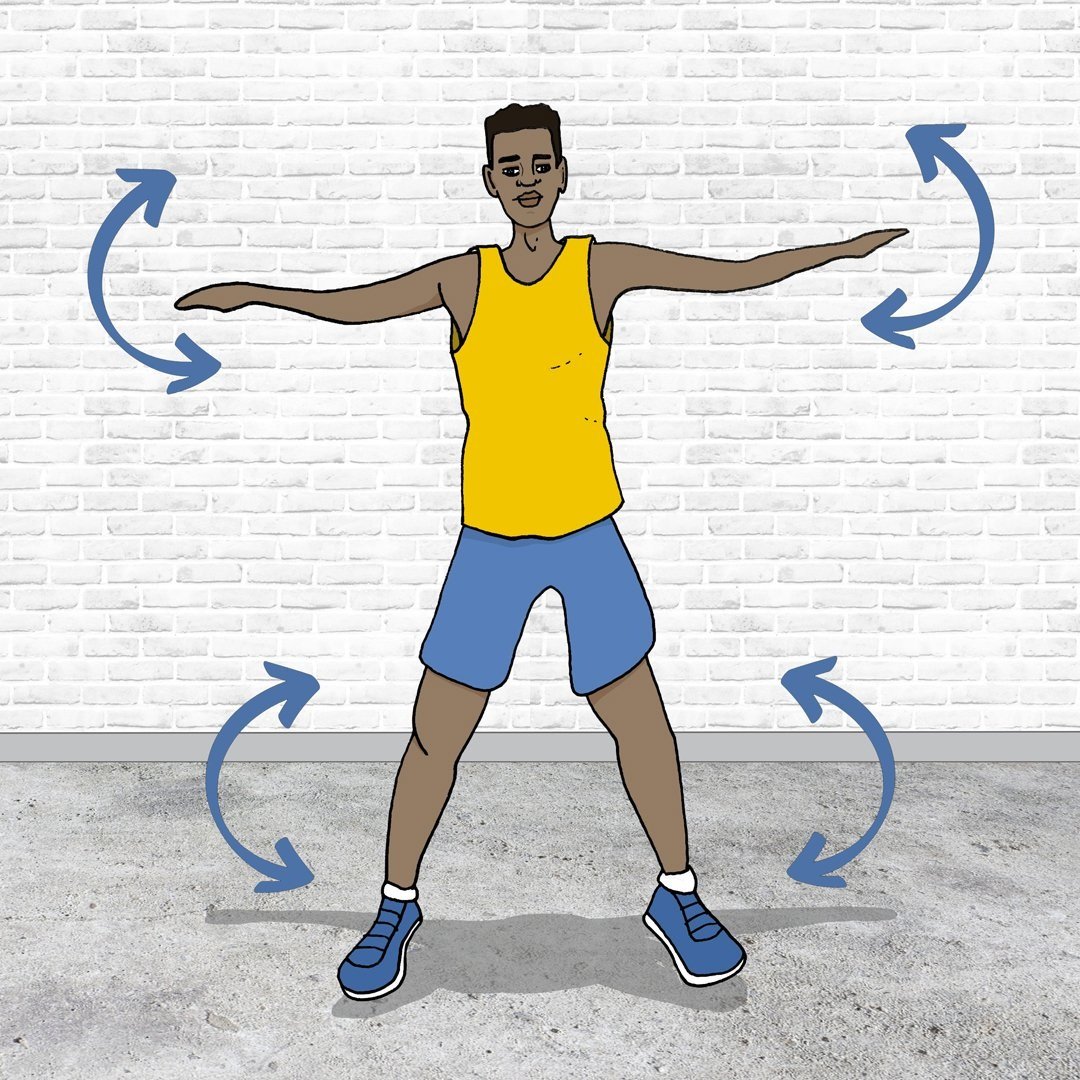
Jumping jacks (star jumps).
Brisk walk to the crag or gym.
These exercises help prepare the body for physical activity, improving circulation and muscle oxygenation.
2. Joint Mobility (5–10 minutes)
Goal: To improve flexibility and joint mobility.
Arm circles: Large circular movements forward and backward.
Neck rotations: Slow and controlled movements.
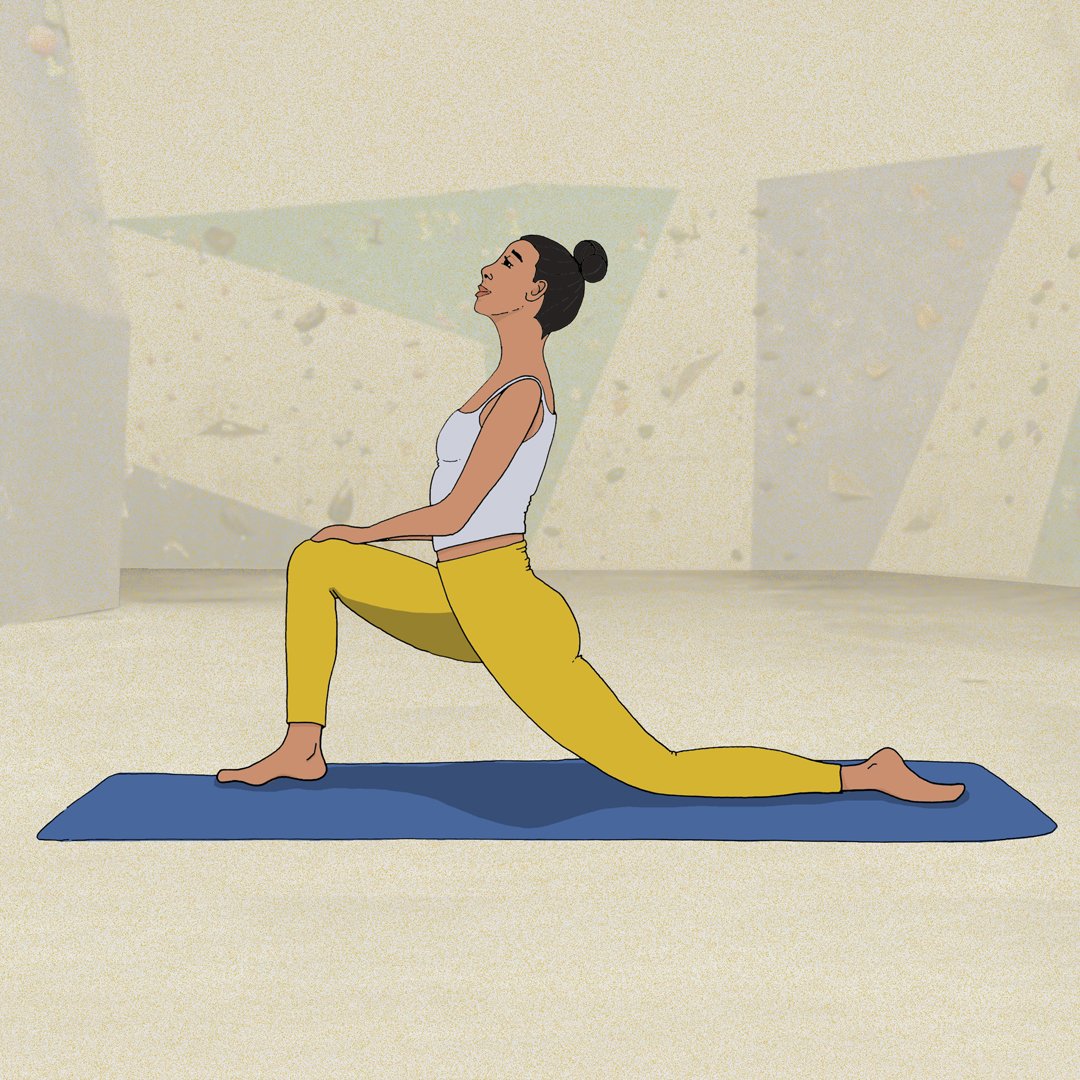
Hip and knee mobilization: Light rotations and bending.
Dynamic stretching: Lunges, side bends, and exercises using a soft resistance band.
These exercises prepare the joints for the specific movements of climbing, reducing the risk of injury.
3. Specific Activation (10–15 minutes)
Goal: To prepare the muscles and tendons involved in climbing.
Light hangs on the hangboard or pull-up bar (without full load), to activate fingers and forearms.
Climbing on easy routes (or boulders): to acclimatize the body to specific movements.
Grip exercises: Squeezing and releasing a soft ball.
Plank: To activate the core and improve stability
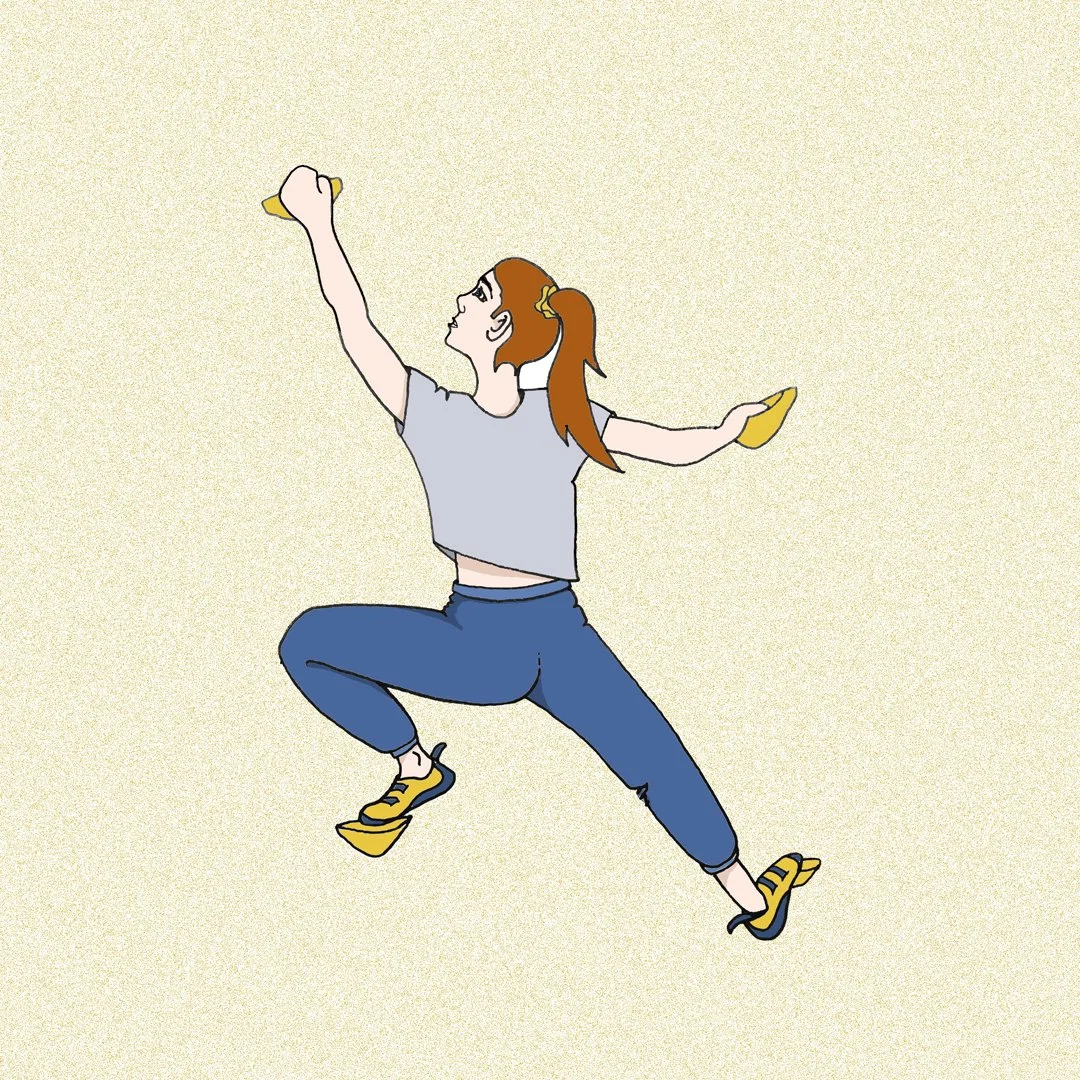
👨🏻🔧 Expert Tip: While warming up on easy routes, pay close attention to your technique. Use this time productively by focusing on your movements, climbing fluidly and precisely. This will allow you to warm up both your body and mind, which will be beneficial throughout your climbing session!
This phase is essential for adapting the body to the specific demands of climbing, improving coordination and muscle strength.
⏱️ Total Duration: 20–30 Minutes
A complete and well-structured climbing warm-up only takes a few minutes but offers significant benefits in terms of performance and injury prevention.
