Sustainable Climbing: Is It Really Possible? Analysis and Practical Advice
I believe that talking about sustainable climbing is crucial. Those of us who climb outdoors travel frequently and visit delicate natural environments. Climbing has an impact on the land, local communities, and the environment—not least through the production of our gear.
Reducing our footprint has become a major goal for me. To achieve it, the question I often ask myself isn't "Can I climb with zero impact?" but rather "What compromises can I accept to truly reduce it?"
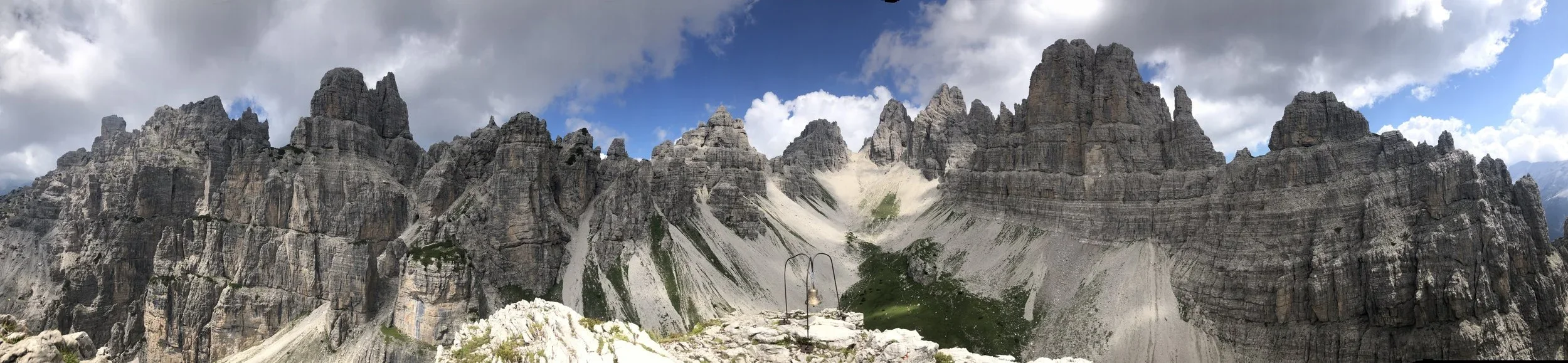
Stunning mountain peaks. Let’s keep them intact!
What is sustainable climbing and why does it matter?
Sustainable climbing is an approach that aims to minimise the environmental impact of our favourite activity. It’s based on using eco-friendly climbing gear, following Leave No Trace principles at the crag, and choosing durable or repairable products, balancing athletic performance with the protection of our natural ecosystems.
In practice, it means making more conscious choices: not perfect ones, but better ones. From how often we replace our gear to how we reach the crag and interact with nature and the locals.
The Necessary Compromises: Performance vs. Ecology
Let’s be honest. No climbing product has zero impact. Ropes are made of polyamide, shoes of synthetic rubber, and travel generates emissions. Sustainability in climbing is built on smart compromises.
Durability above all
A product that lasts significantly longer pollutes less, even if it doesn't look "perfect" on paper.
A robust rope
A resoleable climbing shoe
A well-constructed chalk bag
All of these reduce production, transport, and waste.
Repairability over novelty
The most sustainable choice often isn't "eco" in its marketing, but repairable in reality. This requires more maintenance and greater personal responsibility—a responsibility shared between the buyer and the seller.
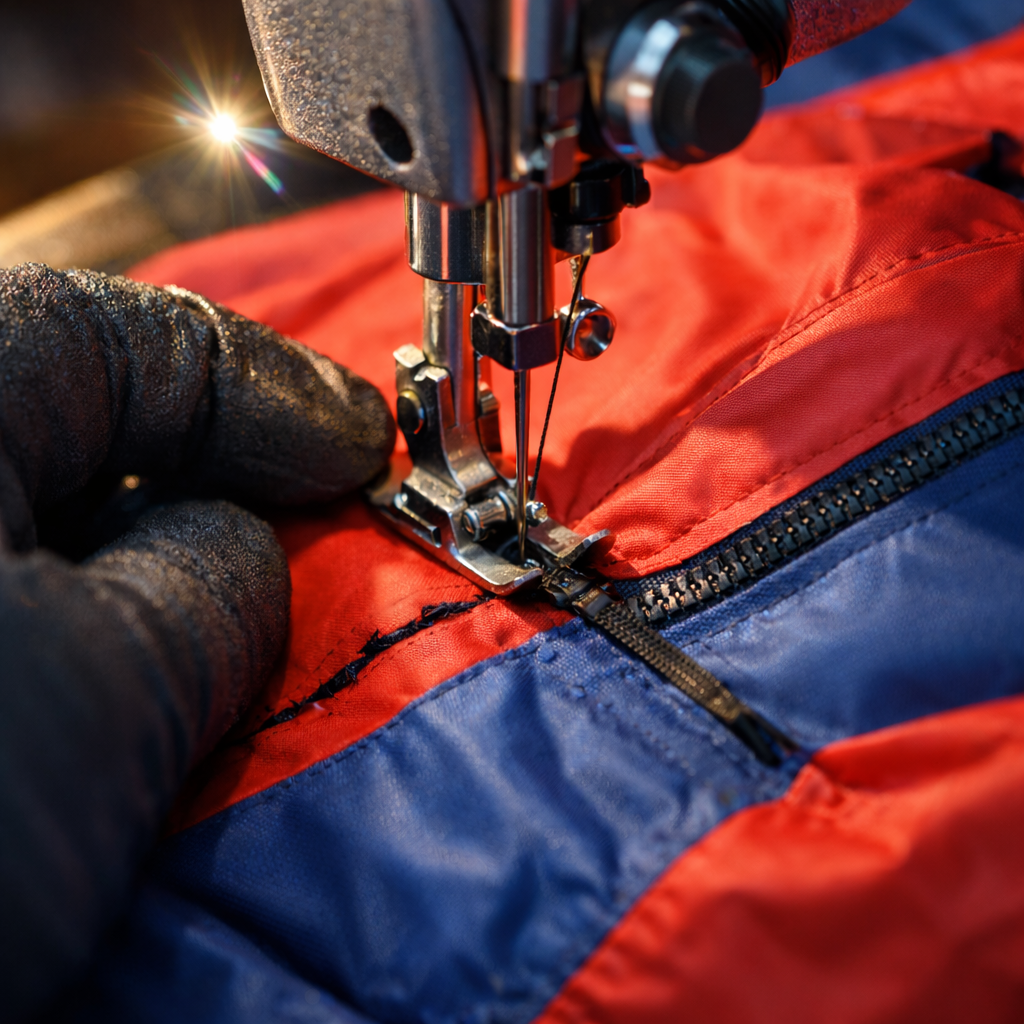
Repair before you buy
Conscious Performance
Some recycled materials don't (yet) offer the same performance as virgin ones. Accepting a slight technical compromise, if compatible with your actual needs, can mean a huge gain for the environment. For example, I try to resole my climbing shoes at least three or four times. While it's true that after a few resoles the shoe might "soften" and lose its original edge, it's a compromise I’m willing to make for the sake of reuse and recycling.
Gear: How to Choose Low-Impact Products
When discussing eco-friendly climbing gear, it’s essential to distinguish between vague marketing claims and concrete choices.
Ropes made from recycled materials
Some manufacturers are introducing ropes made with recycled polyamide. Before choosing, evaluate:
Supply chain certifications
Actual durability over time
Intended use (crag, single-pitch, indoor)
If a rope lasts half as long, even if it's "recycled," the environmental benefit vanishes. 👀 Check out this short video by Edelrid to learn more. Edelrid is a pioneer in producing ropes from recycled materials and natural fibers.
Sustainable Chalk
Most commercial chalk is mined using invasive systems that are destructive to the environment. However, there is an alternative: Sea Water Chalk. Extracted from the by-products of seawater desalination, it is high-quality and significantly less impactful.
Resoling Climbing Shoes
As mentioned, resoling your shoes is one of the most effective sustainable actions you can take:
Drastically reduces waste.
Maintains the comfort of a "broken-in" shoe.
Supports local workshops and artisans.
If a shoe is structurally sound, replacing it without resoling is often a waste.
Outdoor Climbing Ethics: The Heart of Sustainability
The environmental impact of climbing isn't just about gear; it’s about behaviour.
Leave No Trace at the Crag
The principles of Leave No Trace aren't just theory:
Stay on existing trails.
Avoid erosion at the base of the routes.
Don't "clean" new lines without proper local knowledge.
Respect seasonal closures and local regulations.
Every unnecessary deviation can leave an indelible mark.
👉 Read this article by bagaglioleggero.it on the "Leave No Trace" philosophy.
Leave No Trace
Local Communities and Access
Sustainable climbing also means parking correctly, respecting landowners and residents, and supporting local businesses. Access to crags is not guaranteed forever; it depends on us.
What the Research Says
Organizations like the UIAA have studied the impact of climbing on sensitive environments for years, showing that improper behavior often causes more damage than the gear used.
5 Golden Rules for the Eco-Conscious Climber
Buy less, use better: Opt for durable products and avoid frequent replacements.
Resole before you replace: A good resole can extend your shoes' life by years.
Reduce chalk use: Less residue on the rock means less impact.
Carpool: The drive to the crag often has a higher carbon footprint than your gear.
Educate yourself: Knowledge of access, regulations, and seasonality is part of outdoor ethics.

Approved!
Certifications: What Really Matters?
Certifications don't make a product "perfect," but they do make it more transparent. Some to look for:
Bluesign®: Environmental and chemical control of materials.
Fair Wear Foundation: Labor conditions and workers' rights.
👉 Visit the official websites of Bluesign and Fair Wear Foundation to learn more. These are useful tools, not absolute guarantees. We will analyze them in-depth in future blog posts.
The Role of Arrampica! in Your Conscious Evolution

Sustainable climbing isn't a rigid set of rules; it’s a personal journey of making better choices over time. At Arrampica!, we believe that clear information, careful product selection, and a conscious community are more effective than any slogan.
If you’re rethinking the way you climb, start with small steps: a resole, a more durable choice, or less chalk in your bag. And when you buy, do it with the same focus you use when choosing a route to climb.
👉 Discover our eco-conscious selection at Arrampica.shop and keep climbing—with more respect, not more guilt.
